Dependent & Independent Variables in Science Experiments
Understanding how variables in science experiments work is an important skill for our students to understand. We do a lot of science experiments in my classroom, and knowing how different factors can change the outcome of a scientific experiment is always something I want them to be able to discover and explain. It’s also great practice for the scientific method. Here are some of the best ways to teach dependent and independent variables in your science classroom.

VARIABLES IN SCIENCE EXPERIMENTS: WHAT ARE THEY?
Here are definitions you can use with your students, using a plant growth experiment as a base:
- Independent: An independent variable is something that we change on purpose in an experiment.
- Example: If you are testing how different amounts of water affect plant growth, the amount of water is the independent variable because it’s what you change in your experiment.
- Dependent: A dependent variable is what we measure in an experiment. It’s the result that happens because of the change we made.
- Example: In the plant experiment, the growth of the plant is the dependent variable because it’s what you measure to see how much the plant has grown based on the different amounts of water.

My Independent and Dependent Variables Resource has a foldable, interactive vocabulary activity that helps students understand the concept of variables. In the resource, students also define what control variables are.
It’s important for our students to know the variable that we are changing and the variables that occur because of that one change. It’s also so important to make sure the kids understand how important changing only one thing is. We need to know what caused the outcome of the experiment, and that’s difficult if we change different variables.

DESIGNING EXPERIMENTS
Once students understand what variables are, we need to help them put this new vocabulary into action. That’s where experiments come in! I like to start with a premade experiment that guide students through how variables work in a real-world context. An easy experiment that I like to use with my students is What Will Make Ice Melt the Fastest?. Students work with three different materials that we have on hand in class, and they predict which substance will make ice melt the fastest. I like to use sand, water, salt, sugar, or anything similar. I also make sure students know we need a control group to see what happens when no substance is applied to the ice.

FOCUS ON THE VARIABLES
Students can sometimes get lost in the steps of an experiment and forget what brought the results about. For this reason, I make sure that my students can communicate to each other what the variables were and, more importantly, why each variable exists. For example, in the plant growth experiment, the goal is for my students to be able to explain that:
- the independent variable is the amount of water we’re using, because we are changing the amount on purpose;
- the dependent variable is the plant’s growth, because that will change based on the water we give it;
- the controlled variables are anything we don’t intend to change, which in this case could be the type of soil used, the type of plant used, the amount of light each plant gets, the type of liquid (we always use the same tap water), and so on.
To keep the focus even stronger, the students know that their exit ticket for the class will be for them to explain what an independent, dependent, and controlled variable is. You can have students define in it general, or you can have them provide examples based on the results of the experiment.
ANALYZE THE DATA
Once my students have correctly identified the different types of variables in an experiment, we analyze the data we collected. I want them to understand, and then be able to explain to someone else, how the independent variable affects the dependent variable. For example, in my What Will Make Ice Melt the Fastest? lab, students conclude that the salt melted the ice fastest. The constant variables were anything we didn’t change, such as how long we timed them melting and the temperature of the room. The final outcome of an experiment is important, and knowing the why behind the outcome is important too.

Understanding these variables helps students design good experiments and understand the results better when they go off and create their own scientific investigations. When our students know what we are changing (independent variable) and what we are measuring (dependent variable), they can make better observations and conclusions. Being able to analyze the results of an experiment is a great critical thinking developer, and students pick up scientific inquiry skills they can use throughout the year.
You can grab this entire lesson with everything made for you by clicking the picture below.

Save this post for later by clicking on the picture below.



 Addition and Subtraction Christmas Math & Winter Math Projects - December Math
  Addition and Subtraction Christmas Math & Winter Math Projects – December Math → Winter Adding & Subtracting Whole Numbers - Build A Snowman Math Money Activity
  Addition and Subtraction Christmas Math & Winter Math Projects – December Math → Christmas Math Activity - Build a Christmas Tree - Adding Whole Numbers PBL
  Addition and Subtraction Christmas Math & Winter Math Projects – December Math → Build a Gingerbread House Math Activity - Winter Add and Subtract Whole Numbers
  Addition and Subtraction Christmas Math & Winter Math Projects – December Math → Adding and Subtracting Whole Numbers Project - Plan a Dessert Party PBL
  5th Grade Science Review Games BUNDLE - Nature of Science Weather Rocks & More
  5th Grade Science Review Games BUNDLE – Nature of Science Weather Rocks & More → Solar System and Planets Game - Types of Galaxies - Science Review Activity
  5th Grade Science Review Games BUNDLE – Nature of Science Weather Rocks & More → Solids Liquids Gases Game - States of Matter Activity - Science Review Center
  5th Grade Science Review Games BUNDLE – Nature of Science Weather Rocks & More → Physical & Chemical Changes Game - Changes in States of Matter Sorting Activity
  5th Grade Science Review Games BUNDLE – Nature of Science Weather Rocks & More → Force and Motion Game Vocabulary Review Practice Balanced and Unbalanced Forces
  5th Grade Science Review Games BUNDLE – Nature of Science Weather Rocks & More → Dissolving Liquids & Solids in Water Solubility 5th Grade Physical Science Game
  5th Grade Science Review Games BUNDLE – Nature of Science Weather Rocks & More → Conductors and Insulators Game - Heat Transfer - 5th Grade Science Review
  5th Grade Science Review Games BUNDLE – Nature of Science Weather Rocks & More → Forms of Energy Game - Light Sound Heat Electrical Mechanical - Science Review
  5th Grade Science Review Games BUNDLE – Nature of Science Weather Rocks & More → Human Body and Organs Concepts Review Game - 5th Grade Science Station Activity
  5th Grade Science Review Games BUNDLE – Nature of Science Weather Rocks & More → Measuring the Volume of a Liquid Graduated Cylinders Science Review Game Center
 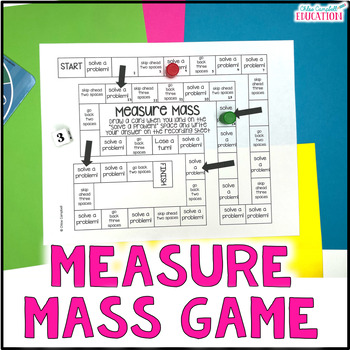 5th Grade Science Review Games BUNDLE – Nature of Science Weather Rocks & More → Hands On Measuring Mass Game 5th Grade Science Review Activity Nature of Science
  5th Grade Science Review Games BUNDLE – Nature of Science Weather Rocks & More → Natural Disasters Game - Severe Extreme Weather Activity - Science Review
  5th Grade Science Review Games BUNDLE – Nature of Science Weather Rocks & More → Observations vs Opinions Science Review Game - Making Scientific Observations
  5th Grade Science Review Games BUNDLE – Nature of Science Weather Rocks & More → Plant & Animal Adaptations Task Cards Review Activity for 5th Grade Life Science
  5th Grade Science Review Games BUNDLE – Nature of Science Weather Rocks & More → Rocks and Minerals Game Types of Rocks Review Activity 5th Grade Earth Science
  5th Grade Science Review Games BUNDLE – Nature of Science Weather Rocks & More → Water Cycle Review Game Vocab Practice - Evaporation Condensation Precipitation
  5th Grade Science Review Games BUNDLE – Nature of Science Weather Rocks & More → Renewable & Nonrenewable Resources Vocab Activity Natural Resources Science Game
  5th Grade Science Review Games BUNDLE – Nature of Science Weather Rocks & More → Scientific Method Practice - Hands On Control Group and Experimental Group Game
 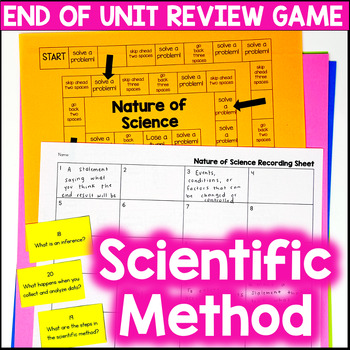 5th Grade Science Review Games BUNDLE – Nature of Science Weather Rocks & More → Scientific Method & Nature of Science Game - 5th Grade Science Review Activity
  5th Grade Science Review Games BUNDLE – Nature of Science Weather Rocks & More → Weather Game FREE - Science Review Activity - Weather Tools Clouds Precipitation
  5th Grade Science Review Games BUNDLE – Nature of Science Weather Rocks & More → Experiments & Investigations Scientific Method Game - 5th Grade Science Station
  Order of Operations - Solve the Room Summer Math Activity - 5th Grade PEMDAS
  Math Board Game Project - Blank Game Board Templates to Create Your Own - Vol 2
  Measurement Conversions | Metric and Customary Conversions BUNDLE | Games
 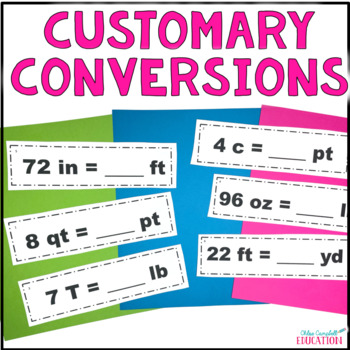 Measurement Conversions | Metric and Customary Conversions BUNDLE | Games → Measurement Conversion Customary Units Leveled Problems - Differentiated Math
  Measurement Conversions | Metric and Customary Conversions BUNDLE | Games → 5th Grade Metric Conversion Activities - Converting Metric Units Leveled
 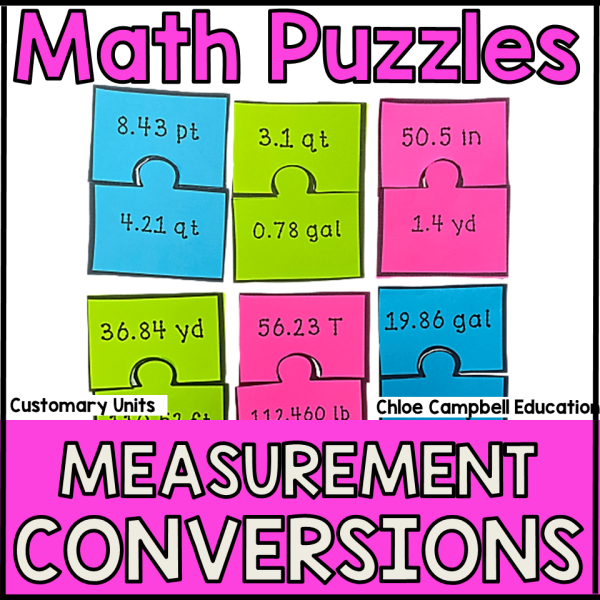 Measurement Conversions | Metric and Customary Conversions BUNDLE | Games → Customary Conversions Measurement Activity for 5th Grade - Customary Units Game
 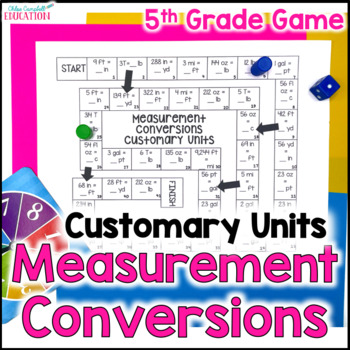 Measurement Conversions | Metric and Customary Conversions BUNDLE | Games → 5th Grade Measurement Conversions Game - Customary Conversions Board Game
 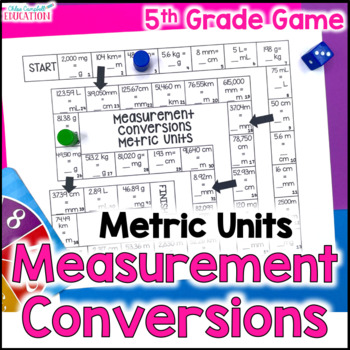 Measurement Conversions | Metric and Customary Conversions BUNDLE | Games → Converting Metric Units Game - Metric Conversion Activities - Measurement
 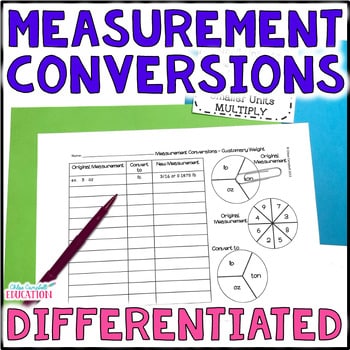 Measurement Conversions | Metric and Customary Conversions BUNDLE | Games → Converting Customary & Metric Units Game 5th Differentiated Measurement Activity
 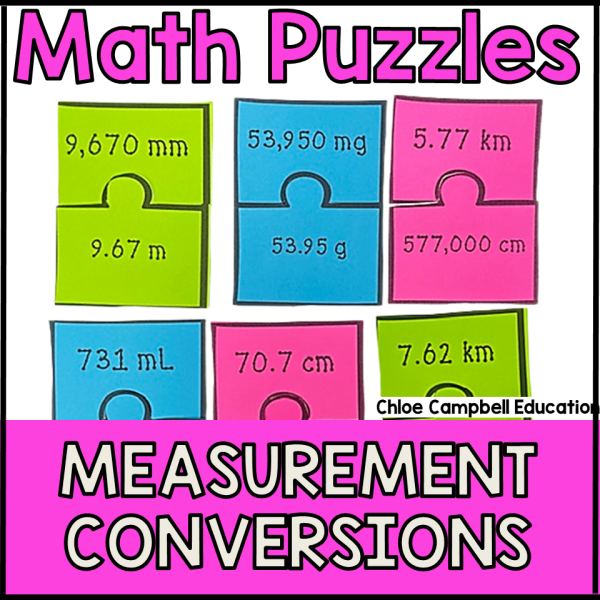 Measurement Conversions | Metric and Customary Conversions BUNDLE | Games → Metric Conversions Game Measurement Worksheet Math Puzzle Activity 5th 6th Grade
  Measurement Conversions | Metric and Customary Conversions BUNDLE | Games → Measurement Conversions Activities and Worksheets - 5th Grade Conversions
  Christmas Science Activities and Experiments
  Division Facts Practice - Division Games - 3rd and 4th Grade Math Centers
 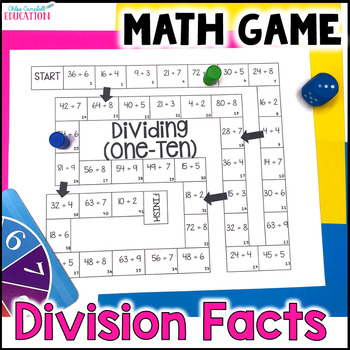 Division Facts Practice – Division Games – 3rd and 4th Grade Math Centers → Division Practice - Basic Division Facts 1-10 Game - 3rd Grade Math Center
 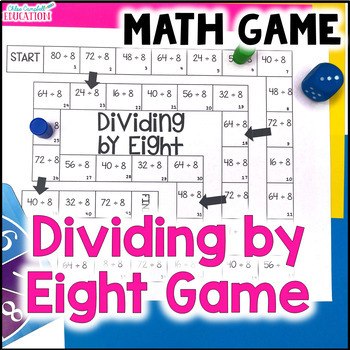 Division Facts Practice – Division Games – 3rd and 4th Grade Math Centers → Dividing by 8 Game - Division Practice - Division Game
 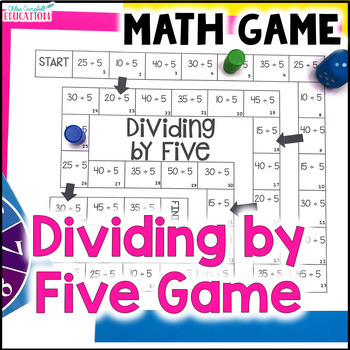 Division Facts Practice – Division Games – 3rd and 4th Grade Math Centers → Divide by 5 Game - Division Practice - Division Game
 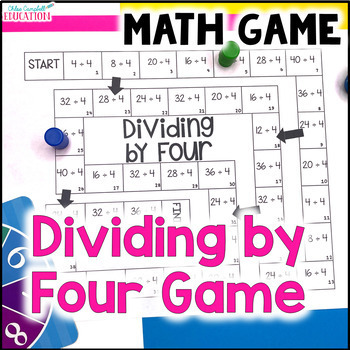 Division Facts Practice – Division Games – 3rd and 4th Grade Math Centers → Divide by 4 Game - Division Practice - Division Game
 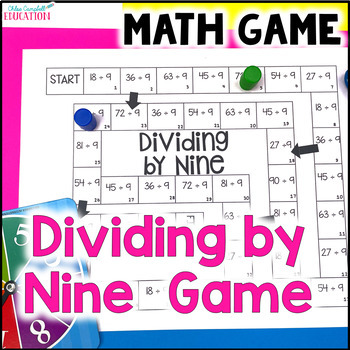 Division Facts Practice – Division Games – 3rd and 4th Grade Math Centers → Divide by 9 Game - Division Practice - Division Game
 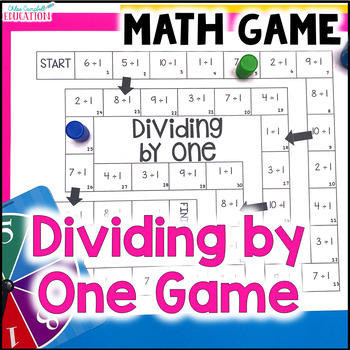 Division Facts Practice – Division Games – 3rd and 4th Grade Math Centers → Divide by 1 Game - Division Practice - Division Game
 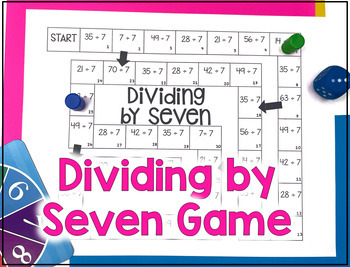 Division Facts Practice – Division Games – 3rd and 4th Grade Math Centers → Divide by 7 Game - Division Practice - Division Game
 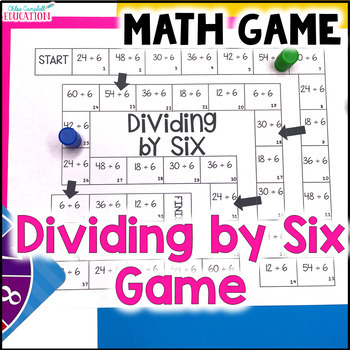 Division Facts Practice – Division Games – 3rd and 4th Grade Math Centers → Divide by 6 Game - Division Practice - Division Game
  Division Facts Practice – Division Games – 3rd and 4th Grade Math Centers → Division Facts Practice Game Division Math Facts Fluency Activity Dividing by 10
 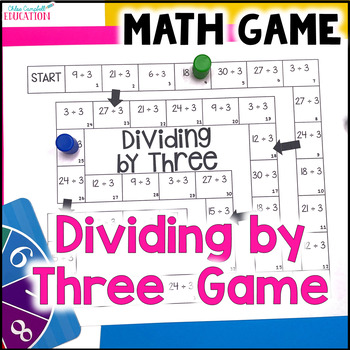 Division Facts Practice – Division Games – 3rd and 4th Grade Math Centers → Division Fact Fluency Intervention Game Divisor & Quotients of 3 3rd Grade Math
 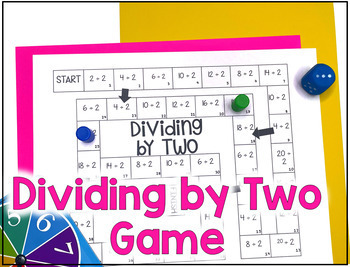 Division Facts Practice – Division Games – 3rd and 4th Grade Math Centers → Divide by 2 Game - Division Practice - Division Game
 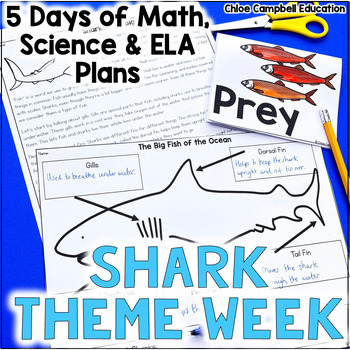 No Prep Emergency Sub Plans for 4th & 5th Grade - All About Sharks - 5 Full Days